

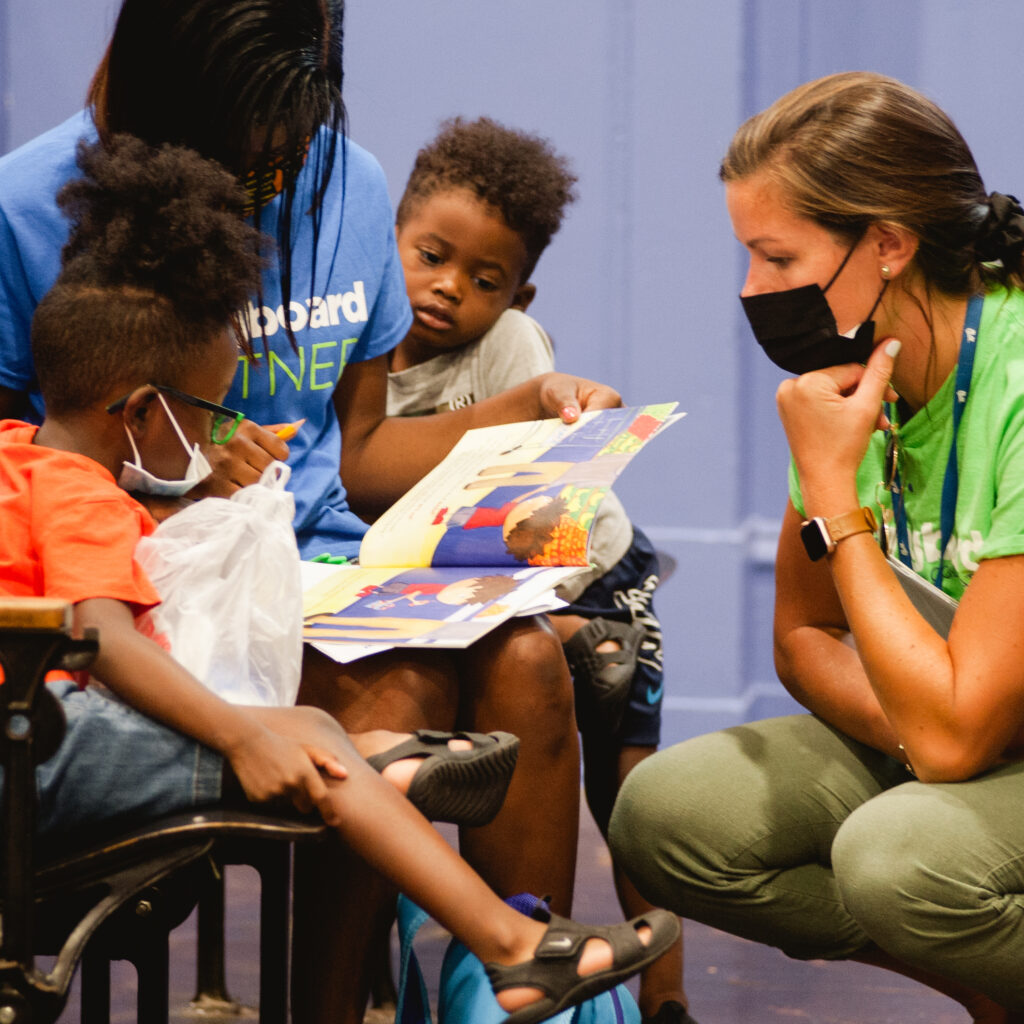
In a year defined by unpredictability, the return to the classroom revealed one clear fact – the pandemic changed education dramatically. It’s not just in the well-documented decline in learning caused by the pandemic and virtual learning. Educator confidence in their profession is at nearly an all-time low. As revealed in the Houghton Mifflin Harcourt/YouGov 2021 Education Confidence Report, only 38% of educators have a somewhat or very positive view of education. Teachers are reacting to increased demands in an ongoing pandemic, including safety and health concerns, student performance, and political legislation around their positions. All of these are leading to educator burnout and a decline in job satisfaction. Through it all, teachers are reporting a desire for increased teacher and family interaction as also noted in the Educator Confidence Report.
Springboard Collaborative recognizes this issue. Connecting teachers to families and students is at the core of everything we do. In fact, we recently conducted a virtual roundtable discussion with some of our West Coast partners that included sponsors, teachers, parents, and families. We gathered teachers and parents from three different California schools that included elementary schools from the Alum Rock Union school district in San Jose, and Warren Lane Elementary School in Inglewood. The discussion not only highlighted student progress in reading but also revealed key benefits of the power of communication and teamwork between families and teachers.
Interactions create conversations
Teachers and families both felt Springboard Collaborative opened up conversations between both parties. Parents and caregivers felt teachers became far more comfortable sharing student progress in-class once there was a repertoire established between them. Teachers were more apt to stop a parent before or after school to discuss issues or achievements. Busy family members appreciated the phone calls or emails that they received from teachers. They used the information they gained to help their child’s progress.
Reinforcing strategies
Families all cited the value they got from learning new strategies to help their children gain reading skills. Parents all commented on the importance of knowing the names of certain strategies and the principles behind them which helped them to reinforce at home. Understanding the concept of the “Bossy E” and reinforcing tactics like “point and read” sentences and letter connections help to improve reading skills. Teachers liked that families were better engaged and knowledgeable on the strategies so that at-home reading mirrored in-school learning. This led to an improvement in reading and greater reading confidence in students.
Progress through group sessions
Parents all commented on the effectiveness of the family workshops that are at the core of the Springboard programs. Families all reported seeing increases in decoding skills and enjoyed watching their students challenge themselves to get to the next group level in reading. Many felt it built school camaraderie. A new teacher to the program felt that she didn’t initially focus on attendance for the family workshop. She quickly saw the value of bringing students and families to the school to practice their skills in a more communal atmosphere. The teacher saw tremendous growth in reading skills and noted the value of teachers and families working together with children. These workshops mirrored and supported in-classroom work and helped families gain teaching strategies and skills that lead to improvements. This tactic was especially successful with pre-reading students as they quickly gained the skills they needed to progress in their reading abilities.
A personalized approach
Families and teachers both agreed that our program provided an effective way to build a relationship between families, students, and teachers. Parents enjoyed the personalized tips and learning strategies that teachers could provide to them with ideas tailored to their child’s individual needs. The program included support materials and additional tactics and tips that enabled teachers to quickly provide ideas and resources for parents. Teachers also commented on the value of the program in opening up communication with families so that more discussion and support could be provided.
At Springboard, we know the passion that teachers bring to their jobs, and we understand the frustration that families may experience when their child struggles with learning. By bringing teachers and parents together, we create an environment that puts children at the focus. Families get to see the commitment of the teachers and teachers get insights into their students and how they like to learn.
We help both parties become a team recognizing they both want the same thing for their students – strong reading skills that provide a life-long love of learning. Reading becomes a central part of the communication that is built between families and teachers, yet it opens doors across all subjects.
Teachers see this as a stepping stone to improving relationships and improving their job satisfaction. The tactics teachers use for reading are often implemented in other courses in the classroom. The lines of communication are opened, families see progress, and teachers gain a level of satisfaction knowing they made an impact.
To learn more about how we work with families to close the gap between home and school, click here.
Related stories
Keeping Kids Reading: What Schools, Families and Communities Can Do Together
Schools work hard to build reading momentum during the year, but many students return in the fall behind…
Teacher-Family Collaboration: Key Strategies for a Successful School Year Ahead
The relationships that teachers build with their students and families provide the golden moments of teaching.
Understanding Family Engagement: Unraveling the Difference between Teachers and Parents
Discover the intriguing perception gap between teachers and parents when it comes to family involvement in education.